Teacher CV Example (Australia)

Principals and panel members in Australia read a teacher's CV for three things: registration with the state teacher regulator for the year levels and subjects, evidence of what changed for students, and signs you work well with colleagues and families. Put your registration status and your Working with Children Check where they are seen first, name the year levels, subjects and class sizes you teach, and give examples of student growth that are honest about how they were measured.

The Sample CV below is for a secondary English and History teacher with seven years in two South Australian government schools, with full registration and a learning area coordinator role. It describes teaching in concrete terms (differentiated units, SACE moderation, structured literacy intervention, data meetings) and pairs it with results such as SACE completion, NAPLAN growth or attendance.

Tailor it to the system. A state government school wants a statement against the department's selection criteria and the AITSL standards; a Catholic school wants its ethos and accreditation to teach in a Catholic school; an independent school wants co-curricular and boarding; a regional post wants independence and community. The US counterpart of this page is the teacher resume example, written for American school districts on Letter paper; the Faculty template is laid out for teaching CVs.

Updated . The person and employers in this Sample CV are fictional. Written for applicants in Australia; the page for applicants in the US is the teacher resume example.

Teacher sample CV

Drawn at A4 proportions, the paper an Australian CV is printed on.

Imogen Castellari

Secondary English and History Teacher, Full Registration (TRB SA), Years 7 to 12

Glenelg, SAimogen.castellari@example.com0491 575 662

Summary

Secondary teacher with seven years teaching English and History from Year 7 to Year 12 in classes of 24 to 30 students at two South Australian government schools. Built a structured literacy intervention that moved most of my Year 8 students in the lowest NAPLAN band up a band by Year 9, and coordinate the English learning area's SACE moderation across six teachers. Collaborative with colleagues, in regular contact with families and committed to students who are behind.

Experience

Teacher of English and History, Learning Area Coordinator, Onkaparinga Ridge Secondary College

– Present

Morphett Vale, SA

  • Teach five classes of English and History across Years 8 to 12, about 135 students a year, including a Stage 2 English class with SACE moderation.
  • Built a twice-weekly structured literacy intervention from NAPLAN and PAT data; most students in the group moved up a band at the next NAPLAN and all of them completed Stage 1 English.
  • Coordinate the English learning area of six teachers, running the term planning cycle, SACE moderation and the Year 12 results analysis for the principal.
  • Call or message every family in my home group in the first fortnight of the year, which helped raise attendance for students who had been chronically absent.
Teacher of English and History (contract), Fleurieu Vale High School

–

Victor Harbor, SA

  • Taught four classes of Year 7 to Year 10 English and History, including a co-taught inclusive class with a special education teacher.
  • Moved teaching online in two weeks during the 2020 closures, with daily lessons on the department's learning platform and a weekly check-in call to families.
  • Coached the school's debating team, which reached the state finals, and ran the Year 9 camp as a home group teacher.

Education

Master of Teaching (Secondary), English and History

University of the Adelaide Plains, Adelaide, SA

Placements at a northern suburbs high school and a regional area school.

Bachelor of Arts (English and History)

University of the Adelaide Plains, Adelaide, SA

Skills

  • Differentiated instruction
  • Structured literacy intervention
  • SACE curriculum and moderation
  • Australian Curriculum (English, HASS)
  • Classroom and behaviour management
  • Assessment and data (NAPLAN, PAT)
  • Inclusive education and co-teaching
  • Daymap and learning management systems
  • Family communication
  • Curriculum planning
  • Learning area coordination

Certifications

  • Full Registration, Teachers Registration Board of South Australia,
  • Working with Children Check, Department of Human Services (SA),
  • Responding to Risks of Harm, Abuse and Neglect – Education and Care (RRHAN-EC), Department for Education (SA),
  • Provide First Aid (HLTAID011), Registered training organisation,
Start yours from this example

Opens this sample in the editor, in one of the templates below. Swap in your details, then tailor it to each vacancy in about two minutes.

Use this example

How an Australian CV differs

A teaching CV in Australia is read first for eligibility. Registration is with the state regulator (the Teachers Registration Board in South Australia, VIT in Victoria, NESA in New South Wales, the QCT in Queensland), at provisional or full level, not a district certification; a Working with Children Check is required in every state; and the professional standards are AITSL's four career stages, which government schools write their selection criteria around. The title is Teacher or Classroom Teacher, then Leading Teacher, Learning Area Coordinator or Head of Department, with year levels rather than grades and the state senior certificate (SACE, VCE, HSC, QCE) instead of a diploma. The CV runs to two or three pages of A4 with referees named, including your current principal.

For a teacher in Australia

  1. State registration and level

    Write the regulator, the level (provisional or full) and the year, with the number on request. A teacher moving interstate says which regulator they hold and that they will apply for mutual recognition.

  2. Working with Children Check and child safety training

    List the check and its state, the year, and the child protection training your state requires. A principal cannot timetable you without them.

  3. AITSL standards and the career stage

    Graduate, Proficient, Highly Accomplished or Lead. Say which stage you hold and, if you are applying for a leading role, that you have been assessed or are preparing for certification at the next stage.

  4. Selection criteria for government schools

    State departments ask for a statement against criteria drawn from the AITSL standards. Write a paragraph per criterion with a specific class and result, and keep the CV bullets as the evidence.

  5. Referees including your current principal

    Australian schools expect two or three referees named with role and phone, usually your current principal or line manager and a previous one. Ask them first; the panel will ring before an offer.

  6. Contract, permanent and the system

    Say whether each post was permanent, contract or relief, and which system: government, Catholic or independent. The sectors hire differently and a Catholic school asks for accreditation to teach in its schools.

Every CV in Australia

A4 paper
Australia prints on A4. A Letter-sized PDF prints short on A4 and tells a recruiter the CV came from a US template.
Two to three pages
Australian CVs run longer than UK ones: two pages is normal and three is accepted for experienced applicants. One page suits a first job.
No photo
No photo, date of birth or marital status. Australian employers do not expect them, and anti-discrimination law makes most prefer not to see them.
Dates as DD/MM/YYYY
Day first where a full date appears, month and year for each role. The US month-first order reads wrong to an Australian recruiter.
Australian English
Australian English follows British spelling: organise, programme, centre, licence, specialise.
Suburb and state, not a street address
"Parramatta, NSW" is enough on the contact line. A full address is not expected, and the US-style ZIP line never is.

More on applying in Australia, with every CV example for it, on the Australia page.

Templates for the teacher CV

All templates

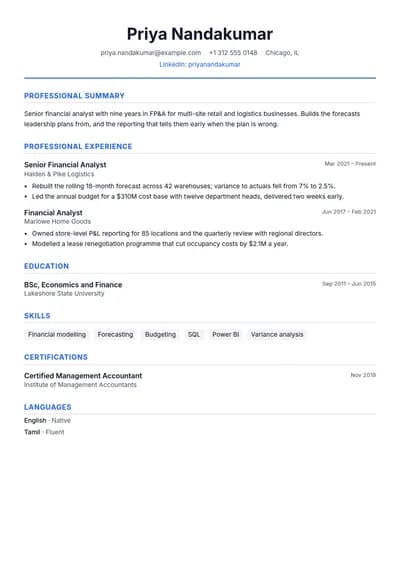
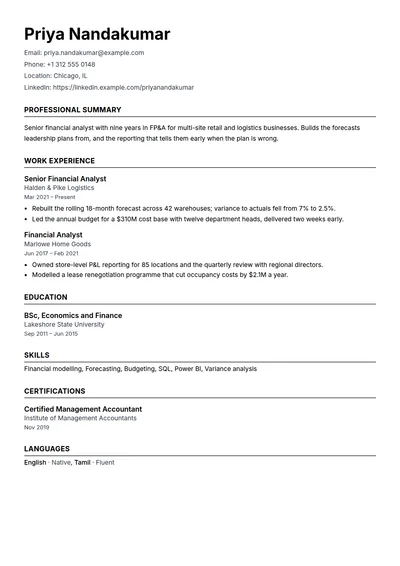
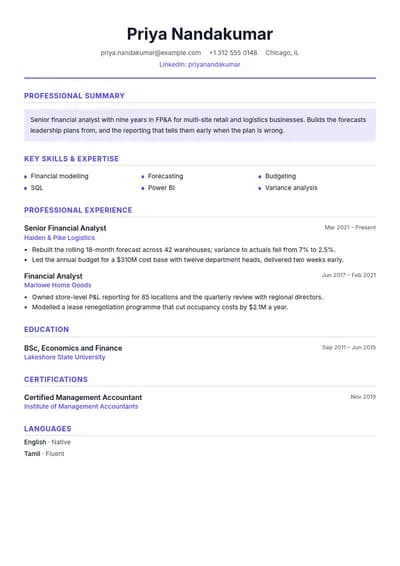
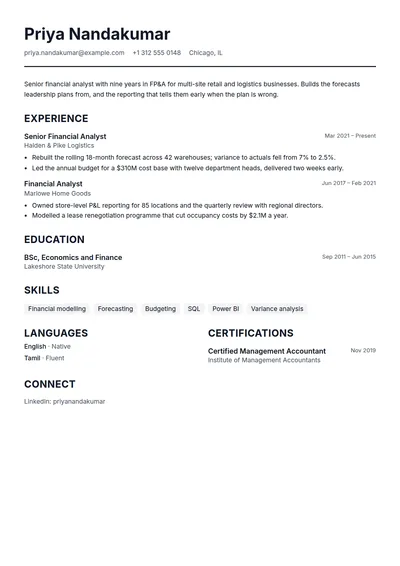
Every template exports on A4. The previews are drawn on Letter; the editor sets the page size when you export.

How the CV changes with experience

The same teacher CV, written at three levels: a profile and three bullets for each.

Entry level

Zero to two years, or a first post in the title

Graduate teacher with a Master of Teaching, provisional registration and a full-term final placement in Year 9 Science. Organised, patient and ready to lead a classroom, with a current Working with Children Check.

  • Planned and taught full days during a ten-week final placement, including assessment and reporting for three classes.
  • Tutored small groups of Year 7 students in maths twice a week in an after-school program.
  • Created a classroom routine chart that my mentor teacher kept using.

Mid level

Three to seven years, owns a process or a workload

Primary teacher with four years in Year 3 and Year 4 at a Melbourne Catholic school, focused on reading instruction and helping students who are behind, with VIT full registration.

  • Teach a Year 4 class of 26 students with a daily structured literacy block.
  • Redesigned the reading intervention timetable with the learning support team.
  • Coordinate the school's Book Week and the Year 4 camp.

Senior

Eight years or more, leads people, budgets or programmes

Leading teacher and head of department with fifteen years improving teaching quality and student outcomes across a Victorian secondary college, Highly Accomplished against the AITSL standards.

  • Lead a maths department of nine teachers and plan its professional learning.
  • Coach graduate teachers through classroom observations and feedback toward full registration.
  • Led the adoption of a new numeracy program across Years 7 to 9.

Skills to put on the teacher CV

Hard skills

Registration and subject qualification
A school can only employ a teacher the state regulator has registered for the year levels and subjects, so this comes first.
Differentiated instruction
Classes include students at many levels, and meeting them where they are is a core expectation of the AITSL standards.
Assessment and data use
Schools track growth on NAPLAN, PAT and senior certificate results, and teachers who use the data to plan are valued.
Classroom and behaviour management
A well-run classroom is where the learning happens, and every panel asks how you set yours up.
Curriculum planning
Designing units that meet the Australian Curriculum or the senior certificate and engage students shows expertise.
Education technology
Learning management systems and the department's platforms are part of daily teaching and reporting to families.

Soft skills

Patience
Students who are behind need a teacher who holds steady, and a principal listens for it in your examples.
Family communication
A partnership with families lifts attendance, behaviour and learning, and panels ask how you built one.
Collaboration
Teachers plan and co-teach in learning areas, and a principal rings your referees to ask what you are like as a colleague.

Mistakes that cost teacher interviews

  1. Registration buried

    Put your regulator, registration level, year levels and subjects in the headline or near the top. Panels screen on it before reading anything else.

  2. Only listing duties

    Planned lessons and marked work describe every teacher. Show what you did differently and what happened for students.

  3. Overclaiming results

    Be honest about how results were measured and who contributed. A clear, modest statement about NAPLAN or SACE growth is more credible than a big claim.

  4. Leaving out co-curricular

    Coaching, camps, debating and committees show commitment to the school community, and independent schools in particular hire on them.

  5. Grades, districts and American spelling

    Grade 9, school district, state certification and US spelling tell a principal the CV was written for somewhere else. Use year levels, the state regulator, SACE or VCE and Australian spelling.

Questions about the teacher CV

What should a teacher's CV include in Australia?

Registration and level, Working with Children Check, year levels and subjects, class sizes, teaching methods, student results, collaboration with colleagues and families, co-curricular involvement, and named referees.

How do I show student achievement on a teaching CV?

Use measures the school uses, such as NAPLAN bands, PAT growth, senior certificate completion or attendance, and explain what you did that contributed. Keep claims accurate.

How do I write a graduate teacher CV?

Lead with provisional registration and your placements, describing the year level, subject and what you planned and taught. Add tutoring, coaching and camp work with children, and the Working with Children Check.

How long should a teacher's CV be in Australia?

Two pages for early-career teachers, and up to three for an experienced teacher with leadership roles. Keep registration and the current school on the first page.

Do I need to address selection criteria for a teaching job?

Yes, for government schools and most Catholic systems. Write one or two paragraphs per criterion with a specific example, and make the CV the evidence behind them.

How do I tailor a teaching CV to a school?

Match the school's sector, year levels and the words in its advert, move the closest class or program to the top and rewrite the profile. Paste the advert into Resume Master and it rewrites the CV against it in about two minutes.

Every application goes out fitting the vacancy.

Paste a vacancy, get a CV rewritten for it in about two minutes.

Tailor your CV — free

Free to start. No card. Same price on web, iOS and Android.